How to Choose a Commercial Vehicle for Construction, Logistics and Site Work
By Tru7 SEO | 8 September 2026
Choosing a commercial vehicle is easier when you start with the job rather than the vehicle. A van that works well for securing tools and deliveries may be the wrong option for loose materials, rough site access, or moving machinery. The best choice depends on what you carry, how much it weighs, how many people travel, where the vehicle needs to go and how the load will be handled. Tru Rent provides commercial and construction vehicle hire across a varied fleet, giving businesses the flexibility to select a vehicle around the actual project requirement.
What Should You Consider When Choosing a Commercial Vehicle?
Choose a commercial vehicle by starting with the job it needs to do, then check the load type and weight, payload, load dimensions, number of passengers, site access, terrain and towing requirements. Specialist work may also require a tipper body, dropside, tail lift, beavertail or crane. Always confirm the exact vehicle specification before hire.
A useful shortlist starts with seven questions: What are you moving? How heavy and bulky is it? How many people need to travel? Where will the vehicle operate? Does it need to tow? How will the load be put on and taken off? And does the driver have the correct entitlement for the final vehicle and trailer combination?
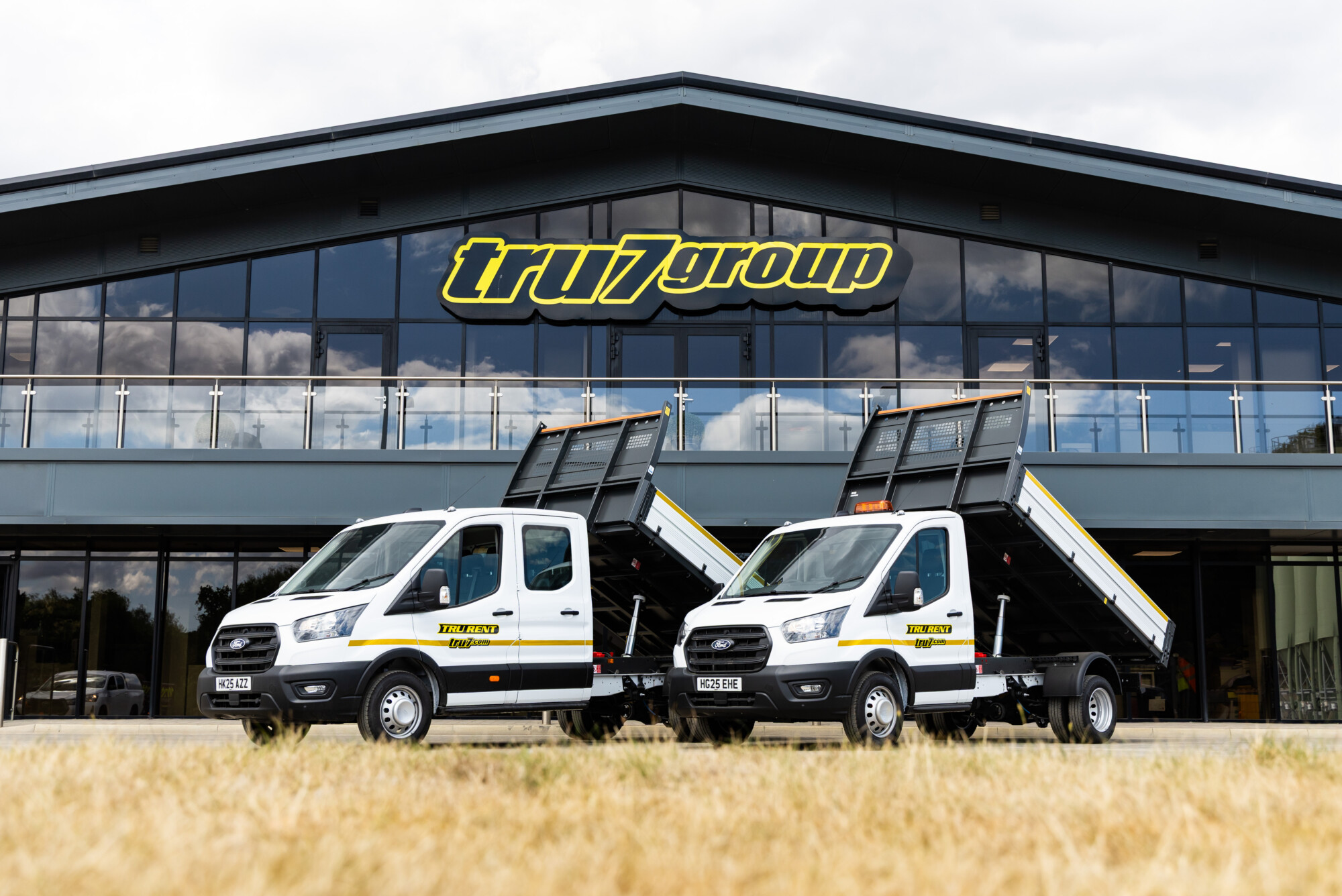
The right commercial vehicle depends on the job, load, payload, passengers, access and any specialist loading requirements.
1. Start With the Job the Vehicle Needs to Do
Commercial vehicles can look similar on paper while being designed for very different work. A panel van is built around enclosed load space. A pickup combines passenger space with an open load bed and can be useful for site access or towing. A tipper is designed to discharge suitable loose material quickly. A box lorry provides a larger enclosed body, while a beavertail is designed to make machinery and equipment loading easier.
For construction and site work, think about the complete task. A team may need to carry operatives and tools to site, remove spoil or waste, tow a trailer, transport compact machinery or move bulky materials between projects. For logistics, the priorities may be enclosed volume, load security, route access and efficient loading. The task should define the vehicle category before you compare individual models.
2. Choose the Right Commercial Vehicle Type
Panel Vans and Crew Vans
Panel vans are a practical choice when tools, equipment or goods need enclosed, weather-protected load space. They can suit trades, maintenance teams, deliveries and general business transport. Crew vans add extra passenger seats, making them useful when the same vehicle needs to move both people and equipment. Browse Tru Rent’s current commercial vehicles for hire to compare the types of vans and crew vehicles currently available.
Pickups and 4x4s
Pickups and commercial 4x4s can suit projects where towing, open-bed flexibility, rougher access roads or a mixture of road and site travel are important. Double-cab pickups can also carry a small team. The trade-off is that an open load bed does not provide the same enclosed security or weather protection as a panel van, and four-wheel drive does not make every unmade surface suitable.
Tippers and Dropsides
A tipper can be more efficient than a standard van when suitable loose material needs to be discharged from the body. That can suit construction, landscaping, maintenance and site-support work. Tru Rent currently lists options such as the Ford Transit Tipper, although the correct choice still depends on the real payload, load and site requirement. Dropsides provide open access from the sides and rear, which can make bulky, long or palletised loads easier to handle.
Box Lorries and Tail Lifts
A box lorry provides a larger enclosed load area for goods that need protection in transit. A tail lift can make loading and unloading heavy or wheeled items easier where a loading bay or forklift is not available. These vehicles can suit equipment movements, deliveries and logistics work involving bulky goods, but their size, weight and turning requirements should be checked against the complete route and destination.
Beavertails and Crane Trucks
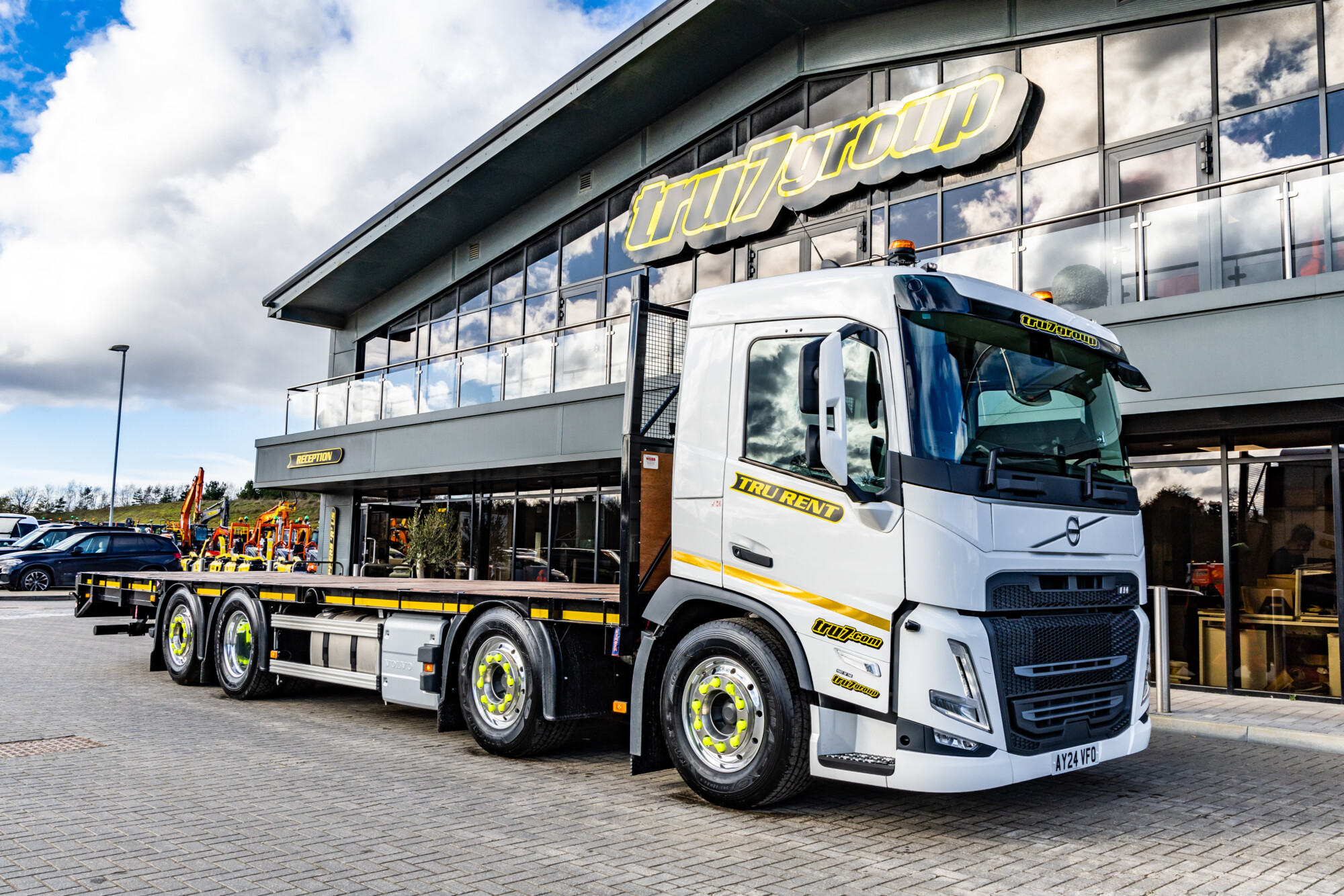
Beavertails are designed to make loading vehicles, machinery and equipment easier by using a low loading angle, ramps or a sloped body arrangement. Tru Rent lists specialist options including the Volvo FM 460 Beavertail and a Volvo FM 460 Beavertail with crane. Crane-equipped vehicles add lifting capability, but the load, lifting requirement, working area and exact vehicle specification must be considered before selecting this type of transport.
3. Check Payload, MAM and Load Dimensions
Load space and payload are not the same thing. A vehicle can have a large body but still have a limited legal carrying capacity, so both volume and weight need to be considered.
Maximum authorised mass, usually shortened to MAM and also known as gross vehicle weight or GVW, is the maximum permitted total weight of the vehicle when it is being used on the road. The exact figure is listed in the vehicle specification and is normally shown on the vehicle plate.
Payload is the amount of carrying capacity available within that limit. In practice, passengers, tools, accessories and cargo all affect the operating weight, so a crew vehicle loaded with people and equipment may have less remaining capacity for goods than someone expects from the size of the load area alone.
Dimensions matter too. Check the length, width and height of the load, door openings, load-bed dimensions and any restrictions created by wheel arches, body equipment or passenger seating. Something can physically fit in a vehicle without being suitable to carry legally or safely.
4. Consider Passenger Capacity and Tool Security
Many work vehicles need to carry both people and equipment. If several operatives travel together, a crew van, double-cab pickup or double-cab tipper may reduce the need for a second vehicle. However, extra seats can reduce available load space or payload, so the full requirement still needs to be checked.
Security is equally important. Enclosed vans and box bodies provide better protection for tools and valuable equipment than an open load bed. If equipment will remain in the vehicle between jobs, think about how it will be stored, restrained, secured and accessed rather than choosing only on capacity.
5. Think About Site Access, Terrain and Working Environment
A vehicle may spend most of its journey on public roads but still need to enter a restricted construction site, yard or delivery point. That final part of the route can change the most suitable vehicle.
Check entrance width, turning space, height restrictions, ground conditions, parking space and unloading area. A long-wheelbase van or larger box lorry may be efficient on the road but difficult to manoeuvre through tight access. A pickup or 4x4 can be useful where the route includes rougher or unmade access roads, but site suitability still needs to be assessed.
For urban logistics, overall length, height, parking restrictions and side or rear loading access may be more important than off-road ability. Match the vehicle to the complete journey, not only the load.
6. Check Towing and Specialist Equipment Requirements
If the vehicle will tow, confirm the towing limit for the exact vehicle, the trailer weight and the combined operating weight. Gross train weight, trailer configuration and driver entitlement can all matter, so towing should form part of the initial vehicle decision.
Specialist body equipment can improve productivity when it matches the task. A tipper can reduce manual unloading of suitable loose material. A tail lift can help move wheeled or heavy goods between road level and the load floor. A beavertail can help with machinery loading, while a crane-equipped truck can provide mechanical lifting where the load and working arrangement allow it.
These features also add weight and can affect usable payload, dimensions and operating requirements. Confirm the complete specification rather than selecting a body type in isolation.
7. Check Driver Licence and Compliance Requirements
Commercial vehicles cover a wide range of weights and configurations. Driver licence entitlement can depend on the vehicle’s maximum authorised mass and whether a trailer is being used. Heavier goods vehicles and some operations can also involve additional compliance requirements.
For a practical selection guide, the key message is to check the exact vehicle and intended use before confirming the hire. Current GOV.UK guidance explains vehicle weights and licence categories, while the hire provider can supply the vehicle specification needed for those checks.
This guide is not a substitute for legal or fleet-compliance advice. If the job involves heavier vehicles, trailers, specialist lifting equipment or unusual operating conditions, confirm the applicable requirements before the vehicle is put to work.
Commercial Vehicle Selection at a Glance
| Requirement | Likely Vehicle Type | Typical Use | Check Before Hire |
|---|---|---|---|
| Secure tools or goods, regular road use | Panel van or crew van | Trades, maintenance, deliveries, people plus equipment | Payload, load length, passenger seats, access |
| Open load bed, towing or rougher access | Pickup or commercial 4x4 | Site visits, towing, outdoor tools and mixed road/site work | Payload, towing limit, ground conditions, load security |
| Loose material or open loading | Tipper or dropside | Construction, landscaping, maintenance, palletised or bulky loads | Payload, unloading area, side access, load restraint |
| Large, enclosed load and easier unloading | Box lorry with tail lift | Logistics, equipment and bulky goods | MAM, licence entitlement, tail-lift capacity, route access |
| Machinery or specialist equipment transport | Beavertail or crane-equipped truck | Plant and equipment movements | Payload, dimensions, loading method, lifting requirement, access |
Should You Hire or Buy the Vehicle?
Once the vehicle type is clear, the next question may be whether to hire or buy. Vehicle hire can suit temporary, project-specific, seasonal or changing requirements because the business can access an appropriate vehicle without immediately adding another owned asset to the fleet. Ownership may make more sense where the same specification will be used consistently over a long period. If ownership is being considered, Tru Sales lists commercial vehicles for sale alongside Tru Rent’s hire options. The important point is to make the vehicle decision first. Whether hired or bought, it still needs to match the work.
Find the Right Commercial Vehicle With Tru Rent
Tru Rent provides commercial and construction vehicle hire for a range of business requirements. Current listings include vans, pickups, 4x4s, tippers, dropsides, box vehicles, beavertails and specialist options, although exact models and availability can change. Before enquiring, note the job, load type and approximate weight, number of passengers, site-access conditions, towing requirement and how long the vehicle is needed. Browse the current commercial vehicle hire range or contact the Tru Rent team to discuss suitable current options.
Frequently Asked Questions
What should I consider when choosing a commercial vehicle?
Start with the job, then consider the type and weight of the load, payload, load dimensions, passengers, site access, terrain, towing requirements and any specialist features such as a tipper body, tail lift, beavertail or crane. Confirm the exact vehicle specification before hire.
Which commercial vehicle is best for construction site work?
There is no single best construction vehicle. A pickup or 4x4 may suit rough access and towing, a crew van may suit people and tools, a tipper can suit loose materials, and a beavertail or crane truck may suit equipment movements. The task and site conditions should determine the choice.
What is the difference between payload and gross vehicle weight?
Payload is the amount of weight available for the load, subject to the vehicle specification. Gross vehicle weight, also called maximum authorised mass, is the maximum permitted total weight of the vehicle when loaded. Always confirm the exact figures for the vehicle.
Do I need a pickup or 4x4 for site work?
Not always. A pickup or 4x4 can be useful where access, ground conditions or towing make it appropriate, but a van, crew van, tipper or truck may be better for other tasks. Choose around the complete journey and site requirement.
When is a tipper, dropside or beavertail more suitable than a van?
A tipper can suit loose materials that need to be discharged, a dropside provides open access for bulky or palletised goods, and a beavertail can make machinery or equipment loading easier. A van is often better when tools or goods need enclosed and secure load space.