What is Plant Hire?
By Marc Carter | 8 October 2026
Understanding the Basics of Plant Hire
Plant hire is the practice of renting machinery, vehicles, tools, and specialist equipment for construction, groundwork, civil engineering, landscaping, utilities, and other site-based work. Instead of buying every machine outright, businesses can access the right construction equipment for a specific job, time frame, or project stage. This guide explains how plant hire works, what to expect from an equipment hire provider, and how to choose machinery that supports safe, efficient work on site.
What is plant hire?
Plant hire is a service that gives contractors, trades, developers, and other organisations temporary access to machinery and equipment without the long-term cost and responsibility of ownership. In practical terms, you choose the equipment you need, agree a hire period, arrange delivery or collection, use it for the job, and return it when the work is complete.
The word “plant” in this context does not refer to trees or greenery. It means machinery used to carry out physical work, particularly on construction, infrastructure, demolition, agricultural, industrial, and groundwork projects. This can include everything from compact machines for tight-access jobs to large heavy machinery hire for demanding excavation, lifting, loading, or material-handling tasks.
A plant hire arrangement can be short term, such as hiring a machine for a day or a week, or longer term for ongoing projects. The main advantage is flexibility. You can bring in the right machine when it is needed, then avoid storing, maintaining, transporting, insuring, and financing equipment that may sit idle between jobs.
The role of a plant hire business
A plant hire business supplies machinery and equipment to customers who need reliable site resources without purchasing them outright. When people ask, “what is a plant hire business?” the simplest answer is that it is a company built around sourcing, maintaining, managing, and hiring out plant and equipment for commercial or practical use.
A good provider does more than hand over a machine. It helps customers understand what type of equipment is suitable, what capacity or size may be required, how the hire period should be planned, and what the customer needs to prepare before delivery. This support matters because choosing the wrong machine can slow a job down, increase costs, or create avoidable safety risks.
Plant hire companies typically manage:
- Fleet availability: keeping different types and sizes of machinery ready for hire.
- Maintenance and inspection: ensuring equipment is serviced, checked, and suitable for use.
- Transport logistics: arranging delivery to and collection from site where available.
- Hire agreements: setting out rates, hire duration, responsibilities, and return conditions.
- Customer support: helping customers match equipment to site conditions and project tasks.
This is why the answer to “what is a plant hire company?” is broader than simply “a rental company.” It is a specialist equipment partner that helps projects access machinery at the right time, in the right condition, and for the right purpose.
Common types of equipment available for hire
Plant hire can cover a wide range of machines, attachments, and support equipment. The exact fleet depends on the provider, but most equipment rental services focus on machinery used to move, lift, dig, compact, load, power, or prepare work areas.
Earthmoving and excavation equipment
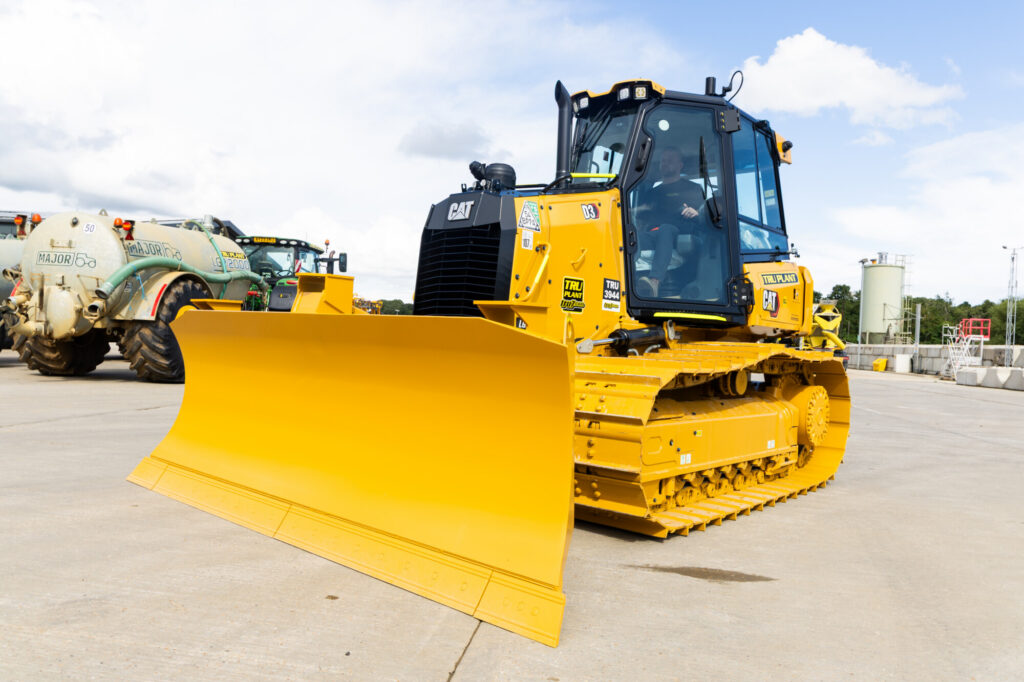
Excavators, diggers, loaders, dumpers, and related attachments are often central to construction equipment hire. They are used for digging foundations, trenching, moving spoil, preparing ground, clearing sites, and handling bulk materials. Smaller machines are useful on residential or restricted-access sites, while larger units suit civil engineering and commercial projects.
When choosing earthmoving equipment, consider working depth, reach, access width, ground conditions, and the type of material being moved. A compact excavator may be easier to manoeuvre, but it may not deliver enough output for large-scale excavation. A larger machine can be more productive, but only if the site has enough space, ground stability, and transport access.
Lifting and material handling machinery
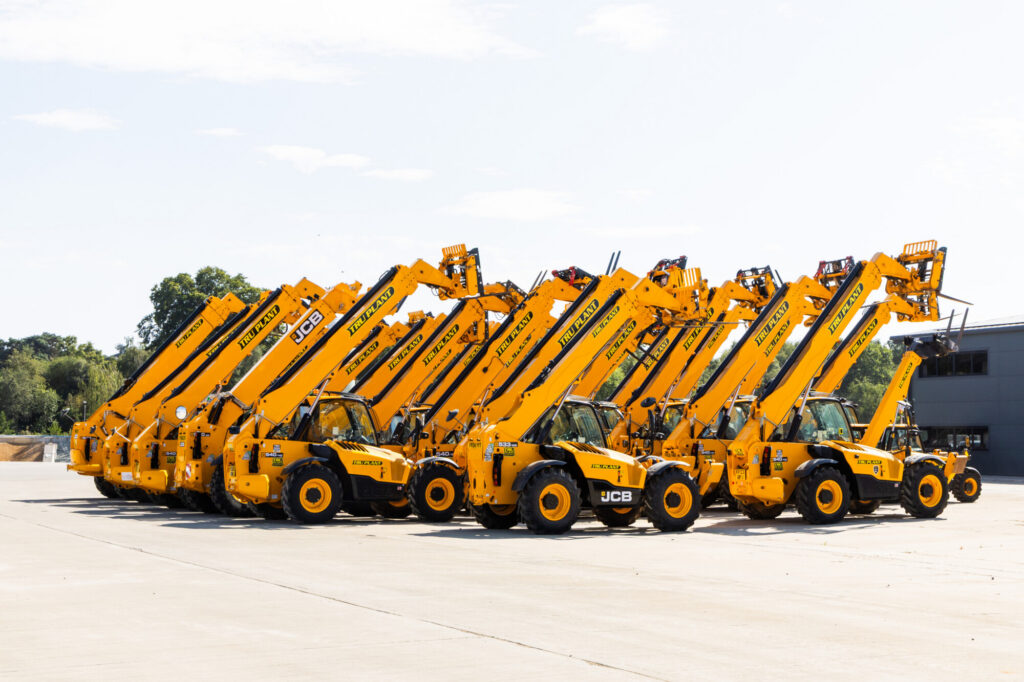
Some projects require equipment that can move heavy, awkward, or high-volume materials safely. Depending on the job, this might include telehandlers, forklifts, lifting accessories, or loading machinery. These machines are commonly used for moving pallets, loading vehicles, supporting roofing or structural work, and distributing materials across a site.
The key considerations are lift height, load weight, reach, ground type, and operator visibility. It is also important to think about how materials arrive on site and where they need to be placed. Good planning can reduce unnecessary manual handling and help keep site traffic moving safely.
Compaction, surfacing, and site preparation tools
Not every hire item is a large machine. Equipment hire can also include compactors, rollers, breakers, cutting tools, generators, lighting, pumps, and smaller site tools. These items support essential tasks such as preparing sub-base, breaking concrete, managing water, powering tools, or maintaining safe working conditions.
Smaller equipment is often hired alongside heavy machinery hire. For example, a groundwork team may need an excavator for trenching, a dumper for spoil movement, a compactor for reinstatement, and lighting if work continues in low-light conditions. Hiring related equipment together can help keep the project coordinated and reduce downtime.
Why do businesses hire instead of buy?
Businesses hire plant because it gives them access to the equipment they need without tying up capital in machines that may not be used every day. Buying construction equipment can make sense for machinery used constantly, but hiring is often more practical when requirements change by project, site, or season.
The financial benefit is only part of the picture. Ownership also brings servicing, storage, depreciation, insurance, compliance checks, repairs, replacement planning, and transport responsibilities. With plant hire, many of those burdens are reduced or simplified, depending on the terms of the hire agreement.
Key reasons companies choose equipment rental include:
- Flexibility across different jobs One project may need a compact excavator, while the next requires larger machinery or different attachments. Hiring lets you adapt without being limited to the equipment you own.
- Lower upfront cost Hiring avoids the major capital outlay of purchasing plant outright. This can help businesses protect cash flow and allocate budget to labour, materials, and other project needs.
- Access to suitable machinery A hire provider can help match machine size and capability to the work. This is especially useful when a job has unusual access, weight, reach, or ground-condition requirements.
- Reduced storage pressure Large machinery needs secure storage when not in use. Hiring removes the need to keep unused equipment parked, protected, and maintained between projects.
- Maintenance support Hire companies generally maintain their fleets, which can reduce the risk of breakdowns caused by neglected equipment. Customers still need to use machinery correctly and report issues quickly, but they are not usually responsible for long-term fleet upkeep.
- Scalability for busy periods When workloads increase, hiring can help a business take on more work without immediately investing in additional machines.
How the plant hire process usually works
The plant hire process is straightforward, but it works best when customers provide clear information from the start. The more a hire company understands about the project, the easier it is to recommend suitable machinery and plan delivery.
A typical process looks like this:
- Define the task Start with the work that needs to be done: digging, lifting, loading, compacting, cutting, pumping, powering, or transporting materials. Be specific about the output you need, not just the machine you think you want.
- Assess the site Consider access width, overhead restrictions, ground conditions, gradients, working space, underground services, and where the equipment will be stored when not in use.
- Choose the equipment Discuss machine size, attachments, capacity, fuel or power requirements, and whether the equipment is suitable for the environment in which it will operate.
- Agree the hire period Estimate how long the equipment will be needed, including setup, delays, weather, inspections, and handover stages. It is usually better to plan realistically than to create avoidable pressure.
- Confirm delivery or collection Make sure the site can receive the machine safely. Someone should be available to accept delivery, check the equipment, and understand any handover instructions.
- Use and monitor the equipment Operate the machine only within its intended purpose and limits. If a fault, damage, or unexpected issue appears, report it promptly.
- Return or off-hire the equipment Confirm when the hire should end, clean or prepare the equipment as required, and make it accessible for collection.
Choosing the right equipment for the job
Choosing plant is not just about picking the biggest or most powerful machine. The right choice is the machine that can complete the task efficiently while fitting the site, budget, access, safety requirements, and project schedule.
Before placing an order, it helps to prepare a simple brief. This avoids guesswork and helps the equipment hire provider make informed recommendations.
Practical checklist before you hire
- What task does the equipment need to perform?
- What material will be moved, lifted, dug, broken, or compacted?
- How much space is available for access and operation?
- Are there height, width, weight, or noise restrictions?
- What are the ground conditions like?
- Are trained operators available?
- What attachments or accessories are needed?
- How long will the equipment realistically be required?
- Is delivery access suitable for transport vehicles?
- Who is responsible for security when the equipment is on site?
This checklist is especially useful for first-time customers or smaller businesses that are still learning how construction equipment hire fits into their workflow. It also helps prevent common problems such as ordering equipment that cannot access the work area or lacks the correct attachment for the task.
What should you expect from a reliable hire provider?
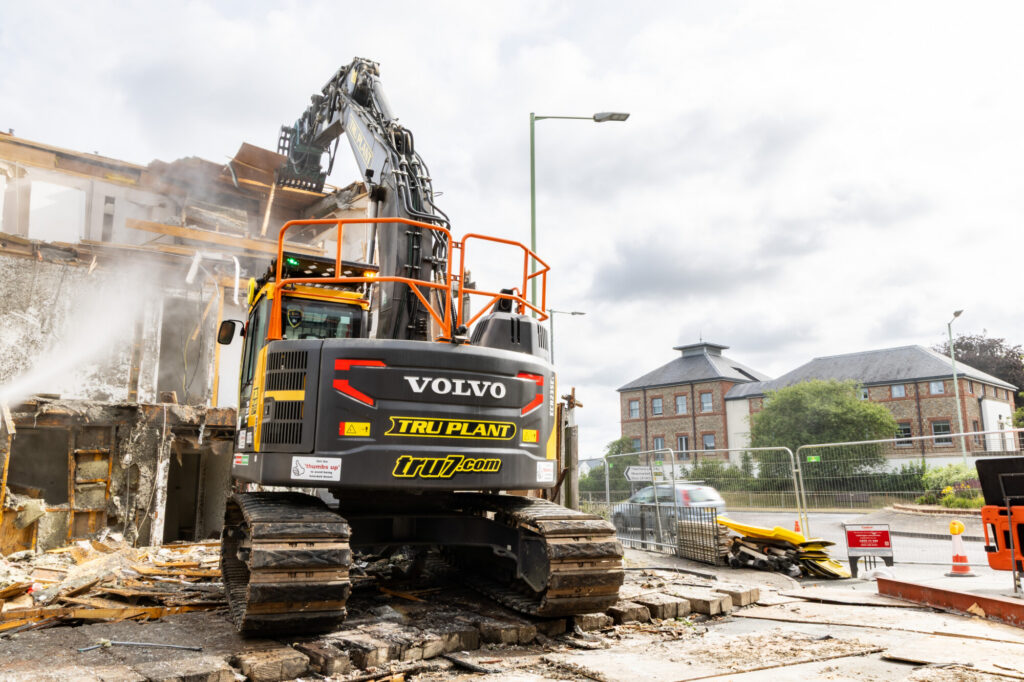
A reliable hire provider should make equipment rental feel organised, transparent, and practical. You should expect clear communication, well-maintained machinery, sensible advice, and hire terms that explain what is included, what is excluded, and what responsibilities remain with the customer.
Look for a provider that asks questions before recommending a machine. If a company understands your site conditions, task, timing, and access limits, it is more likely to supply equipment that suits the job. A rushed recommendation based only on a machine name may overlook important details.
Good providers typically offer:
- Clear information about availability and hire periods.
- Equipment that is checked and suitable for use.
- Guidance on machine selection where needed.
- Straightforward delivery and collection arrangements.
- Clear expectations around fuel, cleaning, damage, security, and off-hire.
- Responsive support if a problem occurs during the hire.
Price matters, but it should not be the only deciding factor. The cheapest option can become expensive if the machine is unsuitable, unavailable when needed, poorly maintained, or difficult to return. A dependable plant hire company helps reduce friction across the whole project, not just at the point of booking.
Safety and responsibility on site
Plant hire does not remove the need for safe planning and competent operation. Customers must make sure equipment is used correctly, by suitable people, and in line with site rules and relevant safety requirements. This includes planning work areas, managing pedestrians and vehicles, checking ground conditions, and keeping unauthorised people away from machinery.
Operators should understand the specific machine they are using. Even experienced workers need to pay attention to controls, limits, blind spots, attachments, and the working environment. If equipment is used incorrectly, it can damage the machine, delay the job, or create serious risk.
It is also important to protect hired machinery while it is on site. Secure storage, careful use, daily checks, and prompt reporting of issues all help keep the hire running smoothly. If the agreement places certain responsibilities on the customer, those should be understood before the equipment arrives.
Making plant hire work harder for your project
The best results come when plant hire is planned as part of the project, not treated as a last-minute transaction. Think about sequencing: when will the machine arrive, who will use it, what other trades will be nearby, and what needs to happen before it can start work? A machine that arrives too early may sit idle, while one that arrives too late can hold up the entire programme.
Communication also makes a difference. If access changes, ground conditions worsen, or the task turns out to be different from expected, speak to the hire provider quickly. It may be possible to change attachments, extend the hire, swap equipment, or adjust logistics before a small issue becomes a major delay.
For businesses that use plant regularly, it can help to review each hire after the job. Note which machines performed well, which sizes were most useful, and where planning could improve. Over time, this creates a more confident, cost-aware approach to equipment hire.
Key takeaways
Plant hire gives businesses practical access to machinery without the full commitment of ownership. It supports flexibility, cash-flow control, and project-specific equipment selection, especially when work varies from site to site. The most successful hires start with a clear understanding of the task, site conditions, time frame, and responsibilities.
In simple terms:
- Plant hire means renting machinery and equipment for temporary use.
- A plant hire business manages, maintains, and supplies equipment to customers.
- Heavy machinery hire can support excavation, lifting, loading, and material movement.
- Smaller tools and support equipment are often just as important as large machines.
- Choosing the right equipment depends on task, access, capacity, safety, and timing.
- A reliable provider should offer clear advice, good communication, and suitable machinery.
Need machinery for your next project?
Explore the Tru Plant Machinery and Equipment range to find plant and equipment options that can support safe, efficient work on site.